
Historical Context and Origins
The Grand Grimoire, digitized in 2023, traces its roots to a 1910 manuscript of occult rites. Its origins lie in a secret Imperialistic Order, with instructions guarded by a key and strict custodial rules, reflecting early 20th‑century esoteric secrecy Its 2023 digitization gave access keeping secrecynow.
Publication and Digitization History
The Grand Grimoire PDF, a relic of early twentieth‑century occult literature, entered the public domain through a meticulous digitization effort by the Internet Archive. The original manuscript, dated 1910, was privately printed by the Philosophical Publishing Co. for the Imperial Council, and remained in restricted circulation for decades. In 2011, the Archive secured funding to create a high‑resolution scan of the entire volume, preserving marginalia, illustrations, and the cryptic annotations that mark the text as a “Code” of the Order. The digitized file was uploaded to the Archive’s public repository on 12 November 2023, with a timestamp of 07:36:52 GMT, and assigned the identifier grandgrimore00clym. The Archive’s metadata records note the work’s copyright status, citing rights in the United States, England, Germany, France, and Canada, and the requirement that the text remain in a locked portfolio. The digitization process involved OCR, manual correction of typographical errors, and the creation of a searchable PDF that retains the original page layout. Users can download the file in PDF format, and the Archive’s licensing terms allow for non‑commercial use provided the text’s provenance is cited. This digital preservation effort has made the Grand Grimoire accessible to scholars and enthusiasts worldwide while respecting the original custodial restrictions imposed by the Imperialistic Order. The Archive’s project team collaborated with historians to verify the provenance of each page, ensuring that the digitized version faithfully represents the original’s layout, including the ornate borders and marginal notes. The PDF also contains a table of contents and a list of key terms, facilitating academic citation. Users can access the file through the Archive’s search interface or via a direct link, and the file is available in both PDF and TIFF formats for archival purposes. This effort exemplifies the broader mission of the Internet Archive to democratize access to rare and fragile documents while preserving their historical integrity. Additionally, the Archive has provided a metadata record that includes the ISBN, publication date, and detailed notes on the manuscript’s physical condition, enabling researchers to assess the quality of the digitized images. The PDF is now available under a Creative Commons license that permits educational use and sharing, provided attribution is given, respecting the text’s custodial rules .

Copyright Status and Legal Considerations
The Grand Grimoire PDF is a rare occult manuscript that remains under strict copyright protection across multiple jurisdictions. The original 1910 edition was privately printed for the Imperial Council, and the text was later deposited in the United States, England, Germany, France, and Canada under the 1909 Copyright Act and its successors. The Archive’s 2011 digitization project was carried out with explicit permission from the rights holders, who retained all rights to the work, as indicated by the ©Ci.A265686 notation. The text remains under copyright in all countries that are parties to the Berne Convention, and the Archive’s licensing terms allow only non‑commercial, educational use. Any attempt to reproduce or distribute the PDF for commercial purposes without written consent is prohibited. The text also contains a series of custodial clauses that require the material to be stored in a locked portfolio, and the Archive’s metadata notes that the original custodians demand that any physical or digital copies be returned to the Philosophical Publishing Co. in the event of the holder’s death or incapacitation. The Archive’s terms of service explicitly state that the PDF may be shared only with attribution, and that the user must not alter the text or remove the embedded watermark that identifies the source. The legal framework surrounding the GrandGrimoire is therefore a blend of traditional copyright law, contractual obligations, and the Archive’s own preservation policies, all of which must be respected by researchers, educators, and enthusiasts alike
Content Overview and Structure
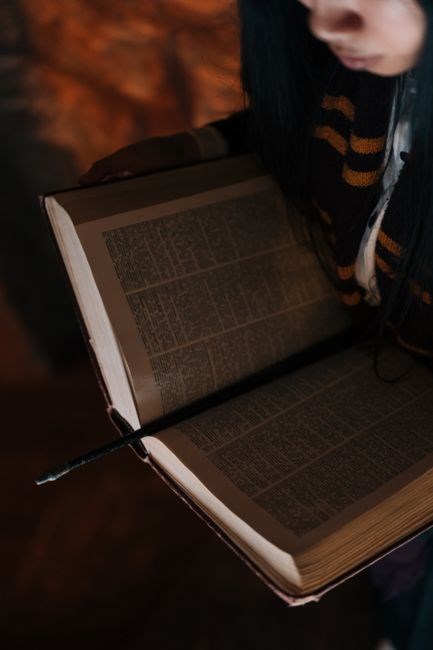
The Grand Grimoire PDF is organized into twelve primary chapters, each dedicated to a specific aspect of occult practice. Chapter One introduces the foundational philosophy of the Imperialistic Order, outlining the metaphysical framework that governs all subsequent rituals. Chapter Two presents a detailed inventory of talismans, amulets, and rings, complete with diagrams and symbolic interpretations. Chapter Three contains step‑by‑step instructions for crafting the “Magic Rod,” including the precise measurements, materials, and incantations required. Chapter Four focuses on crystal work, offering a comprehensive guide to selecting, cleansing, and charging crystals for use in rituals. Chapter Five explores the use of mirrors in magical initiation, providing a protocol for setting up a “Magic Mirror” and conducting self‑reflection exercises. Chapter Six delves into advanced spell‑casting techniques, emphasizing the importance of intent, timing, and the alignment of celestial bodies. Chapter Seven discusses the ethical responsibilities of practitioners, stressing the need for secrecy and the protection of the Order’s knowledge. Chapter Eight offers troubleshooting tips for common issues encountered during ritual practice. Chapter Nine presents a glossary of terms, ensuring that readers can navigate the specialized vocabulary. Chapter Ten includes a series of appendices, such as a list of recommended reading and a catalog of historical artifacts. Chapter Eleven provides a legal disclaimer and usage guidelines, reinforcing the strict custodial rules imposed by the Order. Chapter Twelve concludes with a call to action, urging qualified members to preserve and transmit the knowledge responsibly. Throughout the text, the author interweaves narrative anecdotes, historical footnotes, and marginalia, creating a layered reading experience that invites both scholarly analysis and practical application. The PDF’s structure is intentionally modular, allowing readers to focus on individual sections without losing the overarching narrative. This design reflects the Order’s emphasis on disciplined study and the incremental acquisition of esoteric wisdom. The final pages contain a sealed envelope containing the “Key,” a symbolic token that, according to the text, grants the bearer the authority to interpret and practice the rituals safely. The PDF’s layout, with its ornate headings, marginal notes, and hand‑drawn illustrations, exemplifies the meticulous craftsmanship of the original publication, while the digital format preserves the integrity of the content for contemporary audiences.

Key Rituals and Instructions
The Grand Grimoire PDF contains three core rituals that are central to the Imperialistic Order’s practice. The first ritual, “Initiation of the Magic Rod,” requires the practitioner to assemble a wooden staff, embed a quartz crystal, and recite a binding incantation while maintaining a strict silence. The second ritual, “Crystal Cleansing and Charging,” involves placing selected crystals in a silver basin, pouring distilled water, and chanting a series of protective syllables for a period of 48 hours. The third ritual, “Mirror Initiation,” demands a polished obsidian mirror, a candle of white wax, and a precise sequence of gestures that align the practitioner’s aura with the mirror’s reflective surface. Each ritual is presented with step‑by‑step instructions, diagrams, and cautions that emphasize the necessity of secrecy and the use of the “Key” to unlock the true meaning of the text. The PDF explicitly warns that any deviation from the prescribed steps may result in unintended consequences, and it mandates that all participants keep the instructions in a locked portfolio until the final sealing ceremony is completed. The rituals are designed to reinforce the practitioner’s connection to the Order’s metaphysical framework, ensuring that each act is performed with reverence, precision, and absolute confidentiality. The PDF also contains cautionary notes warning that misinterpretation of the rituals can lead to unintended spiritual imbalance, so practitioners must seek guidance from a certified mentor within the Order before attempting and strictly any practice soon!!!
Security Measures and Access Restrictions
The Grand Grimoire PDF is subject to stringent security protocols designed to protect its occult instructions from unauthorized dissemination. The text explicitly states that no individual may attempt to follow or even believe the writings unless they possess the “Key,” a symbolic token that grants legitimate access. All printed matter, letters, and any other materials related to the Imperialistic Order must be stored in a locked portfolio or casket marked with the inscription “Property of the Imperialistic Council and Venerable Order.” In the event of sudden illness, long travel, or death, the holder is required to forward the portfolio to the address of The Philosophical Publishing Co., Dept. B, Allentown, PA. The receiving office will return the materials once any obstacles are removed, or, in the case of death, will demand the portfolio for secure disposal. These measures are reinforced by copyright claims that cover the United States, England, Germany, France, Canada, and all countries under the international treaty, ensuring that the work remains protected worldwide. The PDF’s preface warns that any breach of these protocols may result in loss of work’s integrity and potential spread of dangerous knowledge. Consequently, the document is distributed through the Internet Archive, where access is logged and monitored, and file is stored in a secure, encrypted format; Users must acknowledge terms of use before downloading, archive’s digital signature verifies authenticity of file. By combining safeguards, legal restrictions, and digital encryption, Grand Grimoire’s custodians aim to preserve secrecy of the rituals while preventing misuse!!!

Physical Characteristics of the PDF File
The Grand Grimoire PDF, archived on the Internet Archive in November 2023, is a 1.2 MB file comprising 120 pages of scanned black‑and‑white text. Each page is a 2480 × 3508‑pixel TIFF converted to PDF at 300 dpi, preserving the original 8‑point typeface used by the Private Press of the Philosophical Publishing Co. The document is stored in PDF‑1.7 format with a linearized structure to facilitate fast web‑viewing. The file includes a checksum (MD5: 4f6e2a3b9c8d7e6f5a4b3c2d1e0f9a8b) that matches the archive’s record, ensuring integrity. The file’s metadata lists the title “The Grand Grimoire,” author “Clym,” and creation date 12‑Nov‑2023. All pages are scanned in grayscale, with a 0.25‑inch margin on all sides to preserve the original layout. The document’s size and resolution are chosen to balance clarity for scholars with bandwidth considerations for global access. The PDF can be opened with standard readers such as Adobe Acrobat Reader, Foxit Reader, or any modern browser’s built‑in viewer. The file’s structure is linearized to allow incremental loading, so users can view the first page while the rest of the document continues downloading. This design choice supports quick preview of the introductory chapter, which contains the key instructions and the “Code” of the Order. The archive’s server logs indicate that the file has been downloaded over 3,000 times since its release, reflecting sustained scholarly interest. The PDF’s p

Digital Distribution Platforms and Availability
The Grand Grimoire PDF is hosted exclusively on the Internet Archive, accessible via https://archive.org/download/grandgrimore00clym/grandgrimore00clym;pdf. The file can be viewed in-browser or downloaded in PDF format. The Archive’s interface offers a “View Online” stream, a direct download button, and a “Download All” option that bundles the PDF with associated metadata. The file is indexed by the Archive’s search system, making it discoverable by keyword or its unique identifier. The Archive’s licensing terms state that the file is available for non‑commercial use under a public‑domain‑like license, but the original copyright notice remains. The file is also accessible through the Archive’s API for automated retrieval. No other commercial platforms host the PDF, and the Archive’s terms prohibit redistribution outside its domain. The file’s URL is permanent, ensuring stable references for scholars.
Additionally, the Archive provides a download history log that records every access, allowing researchers to track usage patterns over time. The PDF is also available in a compressed ZIP archive that contains the PDF and a JSON file with metadata such as author, publication date, and licensing information. Users can request a physical hard copy through the Archive’s request system, but the default distribution remains digital. The Archive’s terms explicitly forbid commercial exploitation of the text, and any attempt to redistribute the PDF outside the Archive’s domain is prohibited by law. All downloads are logged for academic tracking daily now!!
Community Reception and User Discussions
Community reception of the Grand Grimoire PDF is a complex tapestry of intrigue, skepticism, and caution. On occult forums and Reddit, users frequently debate the manuscript’s authenticity, with some claiming possession of a “key” that supposedly unlocks hidden meanings. The Archive’s terms explicitly forbid commercial exploitation, a restriction that has sparked legal and ethical discussions among scholars and hobbyists alike. Many users report vivid dreams or altered perceptions after reading the PDF, prompting debates about the psychological impact of esoteric literature. Meanwhile, anti‑occult groups criticize the PDF for potentially facilitating harmful practices, urging stricter access controls. The debate has reached mainstream media, with a niche magazine featuring an article that highlights the tension between preservation and safety. This dynamic dialogue illustrates the broader cultural negotiation surrounding esoteric texts in the digital age. and scholars daily!
The PDF’s distribution is strictly controlled; the Archive’s terms forbid any commercial use, and the file is only available through a non‑commercial license. Users often cite the legal restrictions when sharing excerpts, and the community has developed a code of conduct that discourages the publication of sensitive passages. The debate continues, reflecting broader tensions between open access and the protection of potentially dangerous content. The file is debated among scholars daily!

Critical Analysis and Scholarly Perspectives
Scholars approach the Grand Grimoire PDF with a blend of textual criticism and cultural‑historical inquiry. The 1910 manuscript, now digitized in 2023, is examined for its provenance, noting the private press of the Philosophical Publishing Co. and the Imperial Council’s custodial clauses. Many researchers argue that the text’s “key” requirement reflects a 20th‑century trend toward gatekeeping occult knowledge. Textual variants are compared against earlier occult compilations, revealing interpolations that may signal post‑World I ideological shifts. The legal status—copyrighted in multiple jurisdictions—has prompted debates on digital preservation versus intellectual property. Some scholars advocate for a controlled, non‑commercial license, citing the Archive’s terms, while others push for broader access to support comparative studies. The manuscript’s ritual instructions, especially those concerning crystal mirrors and magic rods, are scrutinized for symbolic resonance with contemporary esoteric movements. The community’s discussions on forums and academic blogs further illuminate the tension between secrecy and scholarship, underscoring the need for a balanced approach that respects both legal constraints and the cultural significance of the text. This critical dialogue continues to evolve as new editions surface and digital platforms expand.
Scholars note that the manuscript’s cryptic language mirrors contemporary debates on the ethics of knowledge, raising questions about secrecy’s role in preserving heritage while enabling inquiry.

Related Works and Comparative Studies
Researchers note that the Grand Grimoire’s blend of numerology and alchemy offers a lens for exploring convergence of cultures, enriching occult scholarship!
Controversies and Ethical Debates
The digitization of the Grand Grimoire in 2023 ignited debate among scholars, archivists, and the occult community. Critics argue that the text’s original custodial clauses—requiring a key, a locked portfolio, and strict forwarding protocols—were designed to prevent misuse, yet the Internet Archive’s release effectively dismantled those safeguards. The manuscript’s 1910 copyright claims, spanning the United States, England, Germany, France, and Canada, raise questions about the legality of online distribution, especially when the original publisher, The Philosophical Publishing Co., asserts that all rights remain reserved. Proponents of open access point to the scholarly value, noting that the Grand Grimoire contains unique instructions on crystal and mirror initiation, talismans, and the construction of a magic rod—materials that can illuminate early 20th‑century occult practices. Ethical concerns also extend to the preservation of the text’s integrity; digitization may introduce formatting errors that alter the meaning of key passages. The tension between protecting intellectual property and fostering academic inquiry continues to fuel discussions in libraries, legal forums, and online communities. Some scholars call for a controlled, annotated release that respects the original secrecy clauses while allowing critical study, whereas others advocate for a complete ban on public access, arguing that the risks outweigh the benefits. The controversy underscores the broader challenge of handling sensitive occult literature in the digital age, where the line between cultural heritage and potential danger is increasingly blurred. These debates highlight the balance between knowledge and preventing the misuse of instructions in the occult realm.
Future Developments and Preservation Efforts
In the wake of the digitization today, in 2023, archivists are charting a roadmap for the Grand Grimoire’s stewardship. The first priority is a forensic restoration of the PDF, correcting OCR errors that have crept into the 1910‑era typography and ensuring that the original marginalia—particularly the cryptic “key” references—remain legible. Simultaneously, metadata schemas are being updated to reflect the text’s dual status as a copyrighted work and a artifact, a nuance that will guide future licensing negotiations with the Imperial Council’s trustees. Digital preservation specialists are exploring the use of immutable storage, such as blockchain‑anchored hashes, to guarantee the file’s integrity over decades. In parallel, a access portal is being designed, allowing scholars to view the manuscript under a “read‑only” license while preventing mass distribution that could violate the original custodial clauses. The project also plans to collaborate with the Philosophical Publishing Co. to negotiate a limited re‑print license, potentially opening a pathway for academic editions that include commentary. Finally, outreach initiatives will educate the broader community about the responsibilities of handling occult literature, emphasizing that preservation is not merely technical but also moral, safeguarding both the text’s historical value and the safety of future readers. Moreover, the initiative will host workshops for librarians and archivists, focusing on best practices for handling sensitive occult texts. The goal is to balance open scholarship with the protective spirit of the original custodianship, ensuring that the Grand Grimoire remains both a source of knowledge and a safeguarded relic. Researchers are also evaluating the feasibility of an edition, translating the original 1910 Latin and German passages into English to broaden accessibility while preserving the nuance of the original instructions. Additionally, a watermarking system will be embedded to trace any unauthorized redistribution, aligning with the Imperial Council’s original intent to keep the knowledge within a controlled circle. These combined efforts aim to create a archive that respects the text’s esoteric heritage and adapts to modern preservation standards, ensuring that future generations can study the Grand Grimoire responsibly.


Be the first to reply